Loading...
Serving Grand Junction, CO and surrounding areas. (970) 312-8628
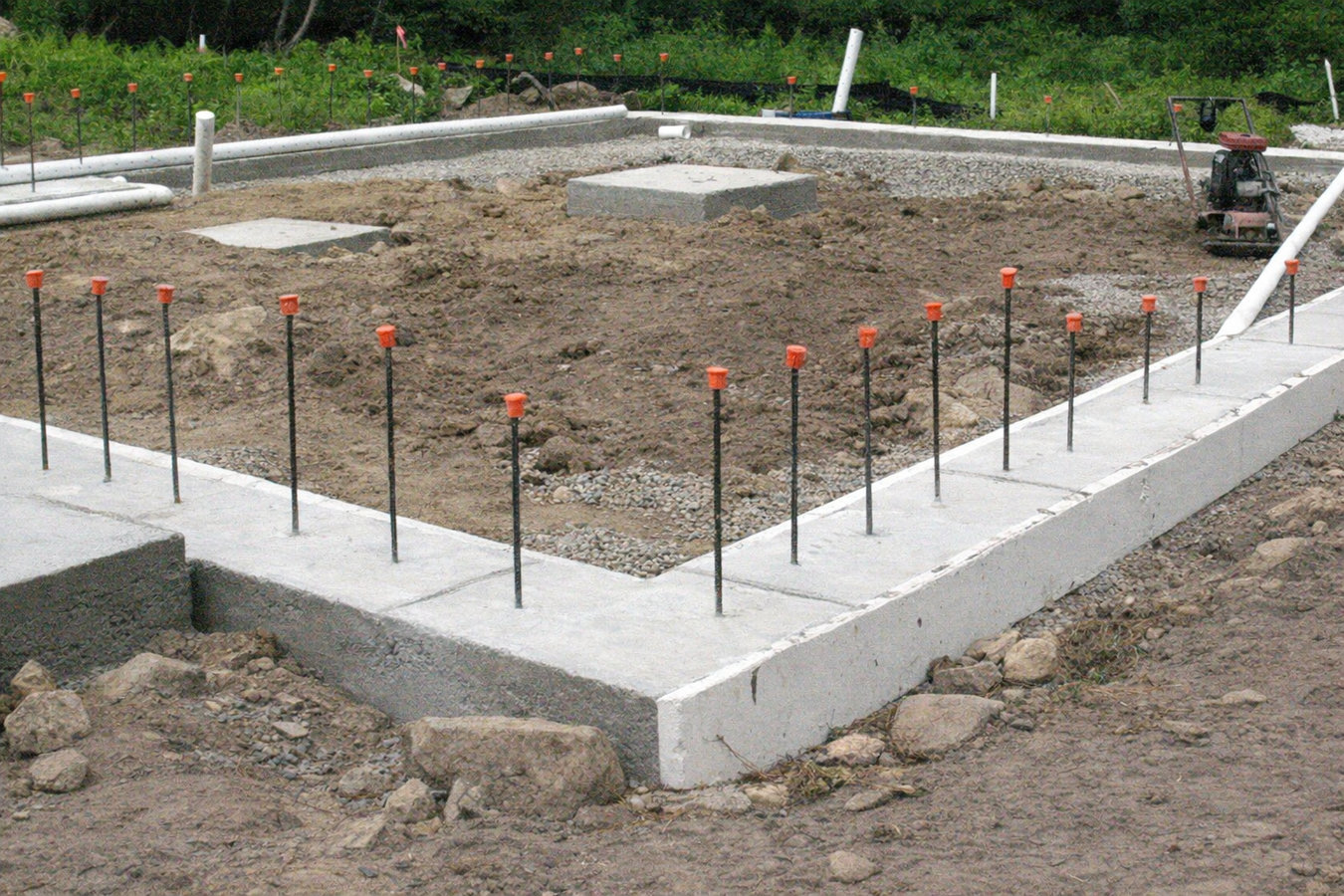
A footing that shifts in Grand Junction clay or was set too shallow for local frost takes your whole structure with it. We pour footings sized for local soil, set to code depth, and inspected before the concrete goes in.
Concrete footings in Grand Junction are the underground base that holds up a deck, addition, garage, or porch - dug below the frost line so freezing ground cannot heave the structure, formed, poured, and inspected by the city before the concrete sets. Most residential footing jobs take one to two days of active work, with at least one week of curing before building begins.
Most Grand Junction homeowners reach out because they are adding a structure - a deck, covered patio, detached garage, or room addition - and need footings that will hold it steady through local soil movement and winter freezes. Footings are not the exciting part of a project, but they are the part that determines whether everything built on top stays straight and solid for 20 years or starts shifting within five.
For projects where the footings connect to a larger foundation rather than individual piers, our foundation installation service handles the full structural base work in a single coordinated scope.
Any new structure that attaches to or sits on the ground needs proper footings underneath it. If you are getting quotes for a new build and no contractor has mentioned footings yet, that is a gap worth asking about. A structure built without them - or on footings that are too shallow - can shift and fail within a few years in Grand Junction's clay soil.
If your deck leans noticeably, a porch post has sunk, or there is a gap opening up between an addition and the main house, the footing below may have failed. In Grand Junction, this can happen when footings were poured in clay-heavy soil that has since swelled and shifted. This is worth having a contractor assess before the problem gets worse or the structure becomes unsafe.
When a footing moves, the frame above it moves too - and the first sign is often a door that suddenly sticks or a window that will not latch. This is especially common in older Grand Junction homes where additions were built before current code requirements set proper footing depths. If the sticking is isolated to one part of the house, the footing in that area is worth having looked at.
Home inspectors in Mesa County regularly flag footing issues in older properties with additions or detached structures built in the 1970s and 1980s. If your inspection report mentions settling, inadequate support, or unpermitted additions, a concrete contractor can assess whether the footings need to be repaired or replaced before you close on the property.
We handle the complete scope - site visit and soil assessment, permit application with the City of Grand Junction Building Division, excavation through clay or rocky substrate, forming, the pour, city inspection coordination, backfill, and cleanup. You do not need to schedule the city inspector or track the permit status - we manage both. For projects where footing work connects to a larger foundation, our foundation installation service handles the full structural base as a single continuous scope.
For existing structures where the footing has already shifted, our foundation raising service can stabilize and level what is there rather than requiring a full tear-out and repour. We assess each situation during the site visit and give you an honest recommendation on which approach makes sense for the problem and your budget.
For homeowners adding a new deck, covered porch, or pergola that needs structural support at grade.
For detached garages, workshops, or ADUs requiring footings that meet current Grand Junction code.
For room additions or covered additions being added to an existing home's footprint.
For existing structures where the original footings were undersized, too shallow, or have failed in clay soil.
For any footing project requiring City of Grand Junction or Mesa County permits and inspector coordination.
For properties near the bluffs or mesa edges where rock substrate close to the surface requires different digging techniques.
Grand Junction's soil conditions vary more than most homeowners expect. In neighborhoods near the Colorado River and lower-lying parts of the valley, the ground contains significant clay content that swells in wet springs and shrinks in dry summers - a movement cycle that pushes on footings from the sides and can shift them out of position over time. In neighborhoods closer to the mesas and bluffs, rocky substrate just a few feet down slows the digging and sometimes requires different equipment. A contractor who has not worked in your specific part of town may not price or plan for what they will actually find underground. The Colorado Geological Survey documents both the clay and rock conditions across Mesa County, and local experience with those conditions is worth asking about before hiring anyone for structural work.
Homeowners in Grand Junction and out toward Rifle share the same Western Slope soil and climate challenges. We assess the soil during every site visit and set footings to the depth that Grand Junction's frost line and local ground conditions actually require - not a generic number pulled from a different climate.
We get back to you within 1 business day. Tell us what you are building and roughly where on your property. You do not need to know footing sizes or depths - that is our job to assess during the site visit.
We come out to evaluate the dig area, check access for equipment and a concrete truck, and assess soil and rock conditions. You get a written quote that covers excavation, forming, concrete, inspection coordination, backfill, and cleanup. We also confirm whether a permit is required - and who will handle it.
If a permit is required - and for most structural footings it is - we submit the application to the City of Grand Junction Building Division. Approval typically takes a few business days to a couple of weeks. Once the permit is in hand, we give you a firm start date and build the city inspection into the project schedule.
We excavate to the required depth, set forms, pour the concrete, and schedule the city inspection before the concrete goes in. After the inspection passes and the concrete cures - at least one week for most residential loads - the forms come off, the excavation is backfilled, and the area is cleaned up. At that point, framing or decking on top can begin.
Free on-site estimate. We assess soil and access before quoting - no phone estimates for structural work.
(970) 312-8628Every permitted footing project we do includes the city inspection - we schedule it, we are on-site for it, and we handle any follow-up the inspector requests. You never have to track the Building Division yourself. That inspection is the only chance anyone has to catch a problem before it is buried underground and invisible.
Rocky ground is common in Grand Junction, and contractors who do not visit before quoting often add charges when they hit rock mid-job. We come to your property before we give you a number, so the quote reflects what is actually in the ground. Homeowners across Mesa County have told us this is one of the main reasons they hired us over a cheaper initial estimate.
Parts of the Grand Junction valley have significant clay content; properties near the mesas regularly hit rock within a few feet. We have worked both soil types across the area and adjust our approach based on what your neighborhood's ground is likely to deliver. That is not something a contractor from outside the region can offer.
Grand Junction averages over 300 sunny days a year and summer temperatures that push well above 90 degrees. Fresh concrete that dries too fast from the surface inward ends up cracked and weak. We schedule summer pours for early morning and cover fresh concrete to slow curing - following practices recommended by the Portland Cement Association for hot-weather concrete. You get a footing that performs, not one that looks fine on day one and cracks by fall.
Structural work that is buried underground requires a contractor you can trust before the concrete goes in - because after that point there is no easy way to check. Our permit-first, site-assessed approach is designed specifically for that reality.
When a foundation or footing has already settled, raising and stabilizing it can restore level support without full replacement.
Learn moreFull foundation work for new construction or major additions where footings alone are not the complete solution.
Learn moreGrand Junction's spring construction window is April through June. City permit approval takes time, so the earlier you start the conversation, the sooner your project gets built.