Loading...
Serving Grand Junction, CO and surrounding areas. (970) 312-8628
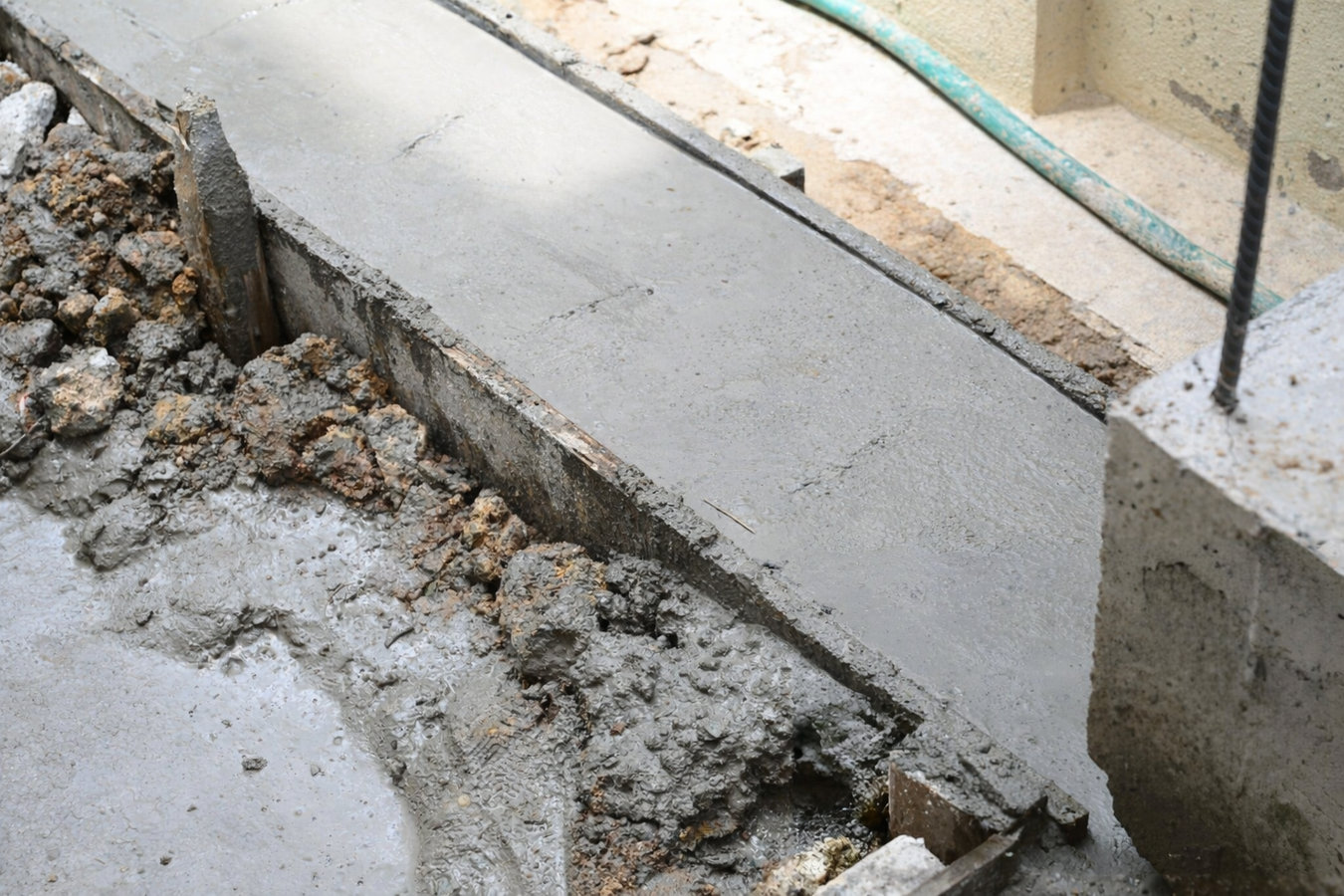
A sunken driveway, garage floor, or patio slab in Grand Junction is a tripping hazard and a sign the soil underneath has moved. We lift it back to level, address the root cause, and handle the permits - without tearing out your concrete.
Foundation raising in Grand Junction lifts a sunken concrete slab back to its original level position by pumping material - either a cement-soil slurry or expanding polyurethane foam - into the voids that formed underneath it. Most residential jobs take two to eight hours, and you can walk on the surface the same day.
Most Grand Junction homeowners call because a garage floor, driveway, patio, or front walk has dropped and is now creating a trip hazard or draining water toward the house. The underlying problem is almost always the same: Grand Valley clay and silt soils that expand in wet spring months and shrink in dry summers, slowly creating voids under slabs that were poured on ground that was never fully stable.
When a section is too cracked or damaged to raise, our concrete cutting service can remove it cleanly so it can be re-poured level, which is often the better long-term solution for concrete that has broken apart rather than simply dropped.
Stand at one end of your garage floor, driveway, or patio and look across the surface. If it slopes toward one side or has a noticeable low spot, the slab has likely sunk. This is the most direct sign that the soil underneath has shifted or washed away - and it tends to get worse each winter as freeze-thaw cycles push the concrete further out of position.
When a foundation drops unevenly, the frame of your house shifts slightly with it. That shift shows up as doors that drag on the floor, windows that won't latch, or gaps forming at the top corners of door frames. In Grand Junction, this symptom often gets noticeably worse in spring after the freeze-thaw cycle has done its work over the preceding months.
Hairline cracks in drywall near windows and doors, or cracks running diagonally from the corners of door frames, are a common sign that part of your foundation has moved. These don't always indicate a catastrophic problem, but they do mean something has shifted. A professional assessment will tell you whether the movement is ongoing or has stabilized.
Grand Junction yards depend heavily on irrigation, and it is common for water to collect near the house when sprinkler heads are aimed too close to the foundation. If you notice standing water near your slab after watering or after one of the area's occasional heavy summer storms, that water is likely working its way under the foundation and slowly washing away the soil beneath it.
We handle everything from the initial site walk to the final drainage recommendations. That means assessing what caused the sinking - not just lifting the slab and leaving - pulling the required Mesa County structural permit, completing the injection work, and patching the drill holes before we leave. We offer both mudjacking (a cement-and-soil slurry) and polyurethane foam lifting. Mudjacking typically costs less upfront, while foam lifting is lighter, cures faster, and tends to hold longer in Grand Junction's moisture-cycling clay soils. Our slab foundation building service is available when raising is not the right answer - for instance, when the concrete has broken apart or when the underlying soil problem is severe enough that a new pour is the more cost-effective long-term fix.
We also assess whether drainage or irrigation adjustments are needed to prevent the problem from recurring. Grand Junction's heavy irrigation use is one of the most common - and most overlooked - causes of foundation sinking in residential neighborhoods. Lifting a slab without addressing the water source that caused the void is a short-term repair. We give you the full picture at the end of the job so you know what to watch for.
For homeowners who need a cost-effective lift on driveways, patios, or garage floors with stable surrounding soil.
For properties with clay-heavy soils where a lighter, water-resistant material will hold up better long-term.
For garage slabs that have dropped at the door threshold or pulled away from the house wall.
For driveways with sections that have sunk below the surrounding panels and are creating a trip hazard.
For outdoor slabs, front walks, and side-yard paving that have settled out of level.
For any structural slab work requiring Mesa County building permits and city inspection sign-off.
The Grand Valley sits on a mix of clay and fine silt soils that behave very differently depending on how much moisture they hold. In a wet spring, these soils swell. In a dry August, they shrink. That repeated cycle creates voids under slabs - particularly under driveways and garage floors that sit directly on the ground with no basement below them. A significant portion of Grand Junction's housing stock was also built during the 1970s and 1980s growth periods, on fill soil that was sometimes compacted to standards below what is required today. Homes from that era are now 40 to 50 years old, and the slow settling that started at construction has had decades to accumulate. The International Concrete Repair Institute documents best practices for lifting and stabilizing concrete in exactly these kinds of conditions.
Homeowners throughout Grand Junction and nearby Fruita share the same irrigation-heavy landscaping habits and the same Grand Valley soil conditions. We work across both communities and account for local moisture patterns - including how sprinkler placement and downspout drainage interact with your slab - when we assess every job.
We get back to you within 1 business day. Tell us what you are seeing - a dip, a gap, sticking doors - and roughly where on your property. You do not need to diagnose the problem before you call.
We visit your property, walk the affected area, probe the soil around the slab, and check for what caused the sinking. We will look at drainage patterns, irrigation placement, and nearby trees. You will hear what we find before we leave.
After the assessment you receive a written estimate. If the job requires a Mesa County structural permit - common for foundation work - we explain the process and handle the paperwork. The permit step protects you and creates an official record of the repair.
On work day the crew drills small holes through the slab and pumps material underneath to fill voids and raise the concrete back to level. You can watch the slab rise. Drill holes are patched with concrete before we leave, and you can walk on the surface within a few hours.
We respond within 1 business day. No commitment required - just a straight answer about what your slab needs and what it will cost.
(970) 312-8628We assess what caused the sinking before any material goes under the slab. Grand Valley clay soils, irrigation runoff, and compacted fill from 1970s construction are the most common culprits here, and lifting without addressing them means the problem returns. You get a clear explanation of what we found and what, if anything, needs to change to keep the repair holding.
Structural foundation work in Mesa County requires a permit, and navigating that process alone is time-consuming. We handle the permit application, coordinate the inspection, and close the permit out before calling the job done. You get official documentation of the work - which matters when you sell your home and a buyer's inspector asks about past foundation repairs.
Grand Junction's clay-heavy soils mean polyurethane foam lifting often holds longer than traditional mudjacking, because foam does not absorb water and does not break down the way a cement slurry can when soil moisture cycles. We tell you which method makes sense for your specific ground conditions and why - not just which one we happen to have on the truck.
Late spring and early fall are the best windows for foundation raising in Grand Junction - temperatures are stable, the ground is workable, and materials cure correctly. We flag scheduling concerns upfront and do not push jobs into freeze windows where results are less predictable. The American Concrete Institute sets guidelines on curing conditions that we follow on every pour.
Every foundation raising job we complete is backed by a site walk, a written estimate, and permit documentation. That combination of local soil knowledge and official oversight is what separates a repair that holds from one that sinks again by next spring.
When a sunken section is too damaged to raise, precise cutting removes it cleanly so it can be re-poured level.
Learn moreFor situations where raising is not the right solution and a new slab foundation is needed from the ground up.
Learn moreGrand Junction winters accelerate foundation movement, so the sooner you get an assessment, the less it costs to fix.